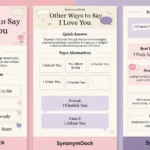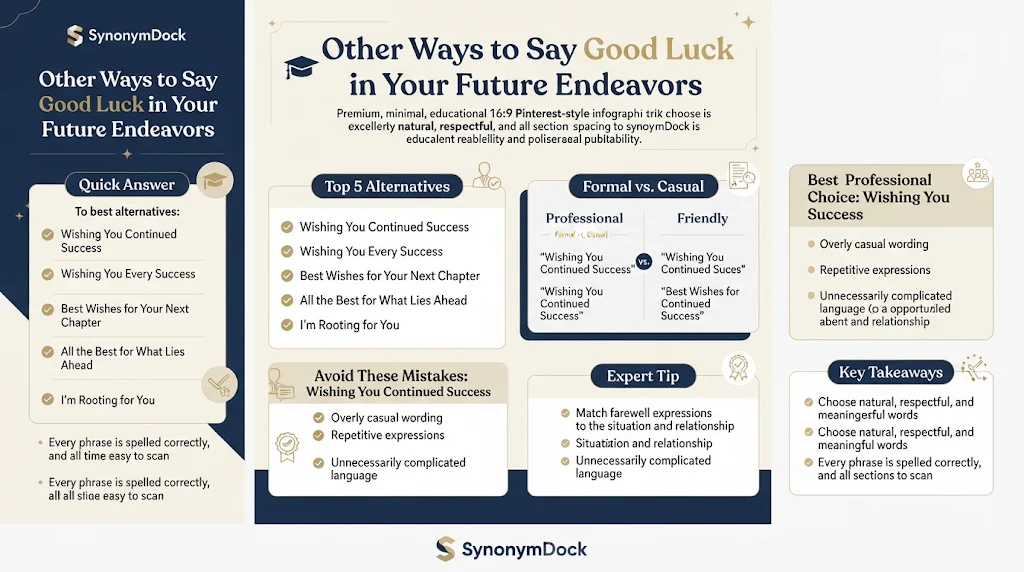
Other ways to say good luck in your future endeavors include wishing you continued success, best wishes for your next chapter, wishing you every success, all the best for what lies ahead, and may you achieve great things. Choose according to context and tone.
Saying goodbye to someone who is starting a new job, graduating, or pursuing a different opportunity deserves thoughtful words. The expression good luck in your future endeavors communicates encouragement, respect, and positive wishes for someone’s next chapter.
However, repeating the same expression can sometimes make your message feel ordinary. Learning other ways to say good luck in your future endeavors helps you communicate more naturally and choose words that match each situation.
Quick Categories: Choose the Right Expression
Different situations call for different levels of formality. Here are useful professional English phrases organized by communication style.
Formal Alternatives
- I wish you every success in your future pursuits.
- May your future be filled with success.
- Best wishes for your continued achievements.
- I extend my sincere wishes for your success.
Pro Tip: Use complete, respectful expressions in official letters, formal announcements, and professional farewell messages.
Professional Alternatives
- Wishing you continued success.
- Best wishes in your new role.
- I wish you success in your next opportunity.
- Wishing you continued growth and achievement.
Pro Tip: Acknowledge someone’s contributions before offering professional good wishes.
Business Email Alternatives
- Wishing you all the best in your next position.
- I hope your next opportunity brings great success.
- Best wishes for your continued professional growth.
Pro Tip: Keep farewell emails positive, brief, and specific to the person’s next step.
Academic Alternatives
- Wishing you success in your academic journey.
- May your studies lead to great achievements.
- Best wishes for your future educational pursuits.
Pro Tip: Mention the person’s studies, research, or academic goals whenever appropriate.
Casual Alternatives
- All the best for what’s next!
- Hope everything goes wonderfully for you!
- Here’s to an exciting new chapter!
Pro Tip: Friendly expressions work best when you already have a comfortable relationship.
Informal Expressions
- You’ve got this!
- Can’t wait to see what you do next!
- Go make great things happen!
Pro Tip: Use enthusiastic expressions with friends and close colleagues rather than in formal business letters.
Common Mistakes to Avoid
Choosing the wrong expression can make an otherwise thoughtful farewell sound awkward. Watch out for these five mistakes.
Mistake 1: Using overly casual language in formal emails
- Wrong: You’re going to smash it!
- Why: It may sound too informal when addressing a senior professional.
- Correct: Wishing you every success in your next position.
- Example: Thank you for your contributions. Wishing you every success in your next position.
Mistake 2: Using the wrong preposition
- Wrong: Good luck for your future endeavors.
- Why: Although understandable, this is less idiomatic in standard American English.
- Correct: Good luck in your future endeavors.
- Example: Good luck in your future endeavors, and thank you for everything.
Mistake 3: Making every farewell sound identical
- Wrong: Good luck in your future endeavors! Repeated in every message.
- Why: It can make personal messages feel generic.
- Correct: Wishing you success in your new role.
- Example: Your new position sounds exciting. Wishing you success!
Mistake 4: Confusing congratulations with good wishes
- Wrong: Congratulations on your future success.
- Why: The achievement may not have happened yet.
- Correct: Wishing you success in the opportunity ahead.
- Example: Congratulations on your new role. Wishing you success!
Mistake 5: Using overly elaborate language
- Wrong: May prosperity accompany every forthcoming undertaking.
- Why: It sounds unnecessarily complicated.
- Correct: Wishing you all the best.
- Example: It was wonderful working with you. Wishing you all the best!
What Does “Good Luck in Your Future Endeavors” Mean?
The expression good luck in your future endeavors means that you hope someone experiences success, happiness, and positive results in their future activities.
The word endeavors refers to efforts, goals, projects, professional activities, or personal pursuits.
In simple English, it means:
I hope everything goes well for you in whatever you do next.
Grammar explanation
The expression contains three main parts:
- Good luck: A noun phrase expressing a wish for success.
- In: A preposition connecting the wish to a particular area.
- Your future endeavors: A noun phrase describing someone’s upcoming activities or goals.
Example: Thank you for being a wonderful colleague. Good luck in your future endeavors!
The expression is grammatically correct and appropriate for professional farewells.
When Should You Use This Expression?
Understanding the situation helps you choose the most appropriate alternative.
| Situation | Recommended expression |
|---|---|
| Business communication | Wishing you continued success. |
| Farewell emails | All the best in your next role. |
| Meetings | I wish you success in your next opportunity. |
| Presentations | Wishing you every success ahead. |
| Academic writing | Best wishes for your academic journey. |
| Interviews | Wishing you success in your career. |
| Daily conversations | All the best for what’s next! |
For workplace English, prioritize respectful and specific expressions. In everyday spoken English, shorter and warmer phrases usually feel more natural.
Professional vs. Polite: What’s the Difference?
These terms describe different aspects of communication.
- Polite: Shows consideration and respect. Example: I wish you all the best.
- Professional: Maintains a respectful workplace tone. Example: Wishing you continued success in your career.
- Formal: Uses more traditional and carefully structured language. Example: Please accept my sincere wishes for your future success.
- Natural: Sounds comfortable in everyday communication. Example: All the best with everything ahead!
A phrase can be both polite and professional. The important thing is choosing language that fits your relationship with the recipient.
Pros and Cons of Using the Original Expression
Pros
- Respectful: It communicates goodwill without becoming overly personal.
- Versatile: It works for professional departures, graduations, and career changes.
- Easy to understand: Most English readers understand its intended meaning.
- Professional: It suits formal farewell messages and workplace announcements.
Cons
- Generic: It may sound repetitive when used frequently.
- Somewhat formal: It might feel distant between close friends.
- Less personal: It doesn’t mention the recipient’s specific goals.
- Predictable: It may lack warmth when used without additional context.
Other Ways to Say “Good Luck in Your Future Endeavors” (With Examples)
Here are exactly 10 alternatives, arranged from broadly useful professional expressions to more casual and less formal choices.
1. Wishing You Continued Success
Meaning: Hoping someone continues achieving positive results.
Explanation: This is one of the strongest professional alternatives. It recognizes someone’s previous achievements while expressing confidence in their future.
- Formal: Yes
- Neutral: Yes
- Professional: Excellent
- Casual: Sometimes
- Example Sentence: It has been a pleasure working with you. Wishing you continued success in your career.
- Best Use: Workplace farewell
- Avoid Using In: Playful conversations
- Tone: Warm, professional
- Formality Level: ⭐⭐⭐⭐⭐
- Usage Frequency: Very Common
- CEFR Level: B2
- Common Collocations: Continued success, professional success, future achievements, career growth.
Context Examples:
- Spoken English: Wishing you continued success!
- Professional English: We appreciate your contributions and wish you continued success.
- Casual Conversation: Hope you keep doing amazing things!
2. Best Wishes for Your Next Chapter
Meaning: Expressing positive hopes for someone’s upcoming stage of life.
Explanation: This expression feels warm, thoughtful, and encouraging. It works particularly well for career changes, graduations, retirements, and personal milestones.
- Formal: Yes
- Neutral: Yes
- Professional: Yes
- Casual: Yes
- Example Sentence: Congratulations on your new position. Best wishes for your next chapter!
- Best Use: Career transitions
- Avoid Using In: Urgent instructions
- Tone: Warm, optimistic
- Formality Level: ⭐⭐⭐⭐
- Usage Frequency: Common
- CEFR Level: B2
- Common Collocations: Next chapter, exciting chapter, new chapter, next stage.
Context Examples:
- Spoken English: Best wishes for your next chapter!
- Professional English: Best wishes for your next chapter and continued professional growth.
- Casual Conversation: Hope your next chapter is amazing!
3. Wishing You Every Success
Meaning: Hoping someone achieves success in everything they pursue.
Explanation: This is a polished and respectful expression, especially suitable for professional correspondence. It communicates encouragement without sounding overly emotional.
- Formal: Yes
- Neutral: Yes
- Professional: Excellent
- Casual: Sometimes
- Example Sentence: Thank you for your dedication. Wishing you every success in your future career.
- Best Use: Formal farewell
- Avoid Using In: Casual jokes
- Tone: Respectful, encouraging
- Formality Level: ⭐⭐⭐⭐⭐
- Usage Frequency: Common
- CEFR Level: B2
- Common Collocations: Every success, future career, new opportunity, professional journey.
Context Examples:
- Spoken English: Wishing you every success!
- Professional English: We wish you every success in your future endeavors.
- Casual Conversation: Hope everything works out brilliantly!
4. All the Best for What Lies Ahead
Meaning: Wishing someone positive experiences and achievements in the future.
Explanation: This expression is natural, flexible, and suitable for professional and personal situations. It is especially useful when you don’t know exactly what someone plans to do next.
- Formal: Sometimes
- Neutral: Yes
- Professional: Yes
- Casual: Yes
- Example Sentence: It was wonderful having you on our team. All the best for what lies ahead!
- Best Use: General farewell
- Avoid Using In: Highly specific requests
- Tone: Friendly, positive
- Formality Level: ⭐⭐⭐⭐
- Usage Frequency: Very Common
- CEFR Level: B1
- Common Collocations: What lies ahead, exciting future, new opportunities, journey ahead.
Context Examples:
- Spoken English: All the best for what’s ahead!
- Professional English: Thank you for your contributions. All the best for what lies ahead.
- Casual Conversation: Hope great things are coming your way!
5. I Wish You Success in Your Next Opportunity
Meaning: Expressing hope that someone succeeds in an upcoming opportunity.
Explanation: This phrase is particularly effective when someone is changing jobs, accepting a new position, or starting a professional project.
- Formal: Yes
- Neutral: Yes
- Professional: Excellent
- Casual: Less common
- Example Sentence: Congratulations on accepting the new position. I wish you success in your next opportunity.
- Best Use: New job
- Avoid Using In: General celebrations
- Tone: Respectful, supportive
- Formality Level: ⭐⭐⭐⭐⭐
- Usage Frequency: Common
- CEFR Level: B2
- Common Collocations: Next opportunity, career opportunity, exciting opportunity, professional growth.
Context Examples:
- Spoken English: I wish you success in your new role!
- Professional English: We wish you success in this exciting opportunity.
- Casual Conversation: Hope the new job goes brilliantly!
Native Speaker Tip: Alternatives 1–5
- Most natural: Wishing you continued success.
- Most professional: Wishing you every success.
- Less common: I wish you success in your next opportunity.
- Native preference: Short expressions such as continued success and all the best often sound more natural than elaborate farewell sentences.
Teaching tip: The best phrase is not always the most formal one. Match your expression to the relationship and situation.
6. May You Achieve Great Things
Meaning: Hoping someone accomplishes important goals and ambitions.
Explanation: This expression focuses on future achievements rather than simply wishing someone good luck. It is encouraging and works well for students, colleagues, and friends.
- Formal: Sometimes
- Neutral: Yes
- Professional: Yes
- Casual: Yes
- Example Sentence: You’ve worked incredibly hard, and may you achieve great things in your next chapter.
- Best Use: Encouraging someone
- Avoid Using In: Routine notices
- Tone: Motivational, positive
- Formality Level: ⭐⭐⭐
- Usage Frequency: Common
- CEFR Level: B1
- Common Collocations: Achieve great things, achieve your goals, great achievements, future ambitions.
Context Examples:
- Spoken English: May you achieve great things!
- Professional English: I am confident you will achieve great things in your career.
- Casual Conversation: You’re capable of amazing things!
7. Here’s to Your Future Success
Meaning: Celebrating someone’s upcoming opportunities and achievements.
Explanation: This expression sounds cheerful and celebratory. It is particularly suitable for farewell gatherings, graduation celebrations, and congratulatory messages.
- Formal: Sometimes
- Neutral: Yes
- Professional: Sometimes
- Casual: Yes
- Example Sentence: Congratulations on your graduation! Here’s to your future success and exciting opportunities.
- Best Use: Graduation celebrations
- Avoid Using In: Formal reports
- Tone: Cheerful, celebratory
- Formality Level: ⭐⭐⭐
- Usage Frequency: Common
- CEFR Level: B1
- Common Collocations: Future success, exciting opportunities, bright future, new beginnings.
Context Examples:
- Spoken English: Here’s to your future success!
- Professional English: Here’s to your continued growth and future success.
- Casual Conversation: Here’s to all the great things coming your way!
8. I’m Rooting for You
Meaning: Showing someone that you support them and hope they succeed.
Explanation: This is a friendly and natural expression. It communicates personal encouragement and confidence, making it especially appropriate for people you know well.
- Formal: No
- Neutral: Sometimes
- Professional: In friendly workplaces
- Casual: Excellent
- Example Sentence: Starting your own business is exciting. I’m rooting for you every step of the way.
- Best Use: Personal encouragement
- Avoid Using In: Formal letters
- Tone: Friendly, supportive
- Formality Level: ⭐⭐
- Usage Frequency: Very Common
- CEFR Level: B1
- Common Collocations: Rooting for you, rooting for your success, always rooting for you, cheering you on.
Context Examples:
- Spoken English: I’m rooting for you!
- Professional English: We’re excited about your next step and are rooting for your success.
- Casual Conversation: You’ve got this. I’m rooting for you!
9. Hope Everything Goes Well for You
Meaning: Expressing a simple wish for positive experiences and results.
Explanation: This is an easy, conversational alternative. It works well when someone is facing a change, starting something new, or moving toward an uncertain future.
- Formal: Sometimes
- Neutral: Yes
- Professional: Sometimes
- Casual: Excellent
- Example Sentence: I hope everything goes well for you as you begin your new journey.
- Best Use: Everyday conversations
- Avoid Using In: Official announcements
- Tone: Gentle, friendly
- Formality Level: ⭐⭐⭐
- Usage Frequency: Very Common
- CEFR Level: B1
- Common Collocations: Everything goes well, goes smoothly, new journey, future plans.
Context Examples:
- Spoken English: Hope everything goes well!
- Professional English: I hope everything goes well in your new position.
- Casual Conversation: Hope it all works out!
10. Can’t Wait to See What You Do Next
Meaning: Showing excitement about someone’s future plans and achievements.
Explanation: This expression communicates genuine interest and confidence. It feels personal and conversational, making it particularly effective between friends and supportive colleagues.
- Formal: No
- Neutral: Sometimes
- Professional: In friendly workplaces
- Casual: Excellent
- Example Sentence: You’ve accomplished so much already. I can’t wait to see what you do next!
- Best Use: Personal farewell
- Avoid Using In: Formal correspondence
- Tone: Excited, encouraging
- Formality Level: ⭐⭐
- Usage Frequency: Common
- CEFR Level: B1
- Common Collocations: See what you do next, exciting plans, future achievements, next big step.
Context Examples:
- Spoken English: Can’t wait to see what you do next!
- Professional English: I look forward to seeing your future accomplishments.
- Casual Conversation: Excited to see what’s next for you!
Native Speaker Tip: Alternatives 6–10
- Most natural: I’m rooting for you.
- Most professional: Wishing you continued success.
- Less common in formal writing: Here’s to your future success.
- Native preference: People often use shorter, direct expressions in conversation. Personal details make farewell messages feel more genuine.
Expert Insight: Choosing the Right Expression
Knowing a phrase is only half the skill. Understanding when to use it makes your English sound more confident and appropriate.
Workplace Communication
For colleagues, managers, and business contacts, choose expressions such as wishing you continued success or wishing you every success. They communicate respect without becoming overly personal.
Email Writing
A professional farewell email should include appreciation, a positive closing wish, and an appropriate sign-off.
Example:
Thank you for your dedication and contributions to our team. It has been a pleasure working with you. Wishing you continued success in your new role.
Academic English
When addressing graduating students, researchers, or teachers, consider phrases such as wishing you success in your academic journey. They connect the message to the person’s educational goals.
Professional Tone
Avoid exaggerated language when writing to someone you barely know. A short, specific expression usually sounds more sincere than an elaborate sentence.
Quick Recap: The Best Alternatives
Best Professional Choice
Recommended
Wishing you continued success.
Best Casual Choice
I’m rooting for you.
Best Formal Choice
Wishing you every success.
Most Natural Choice
All the best for what lies ahead.
Most Polite Choice
Best wishes for your next chapter.
Comparison Table: All 10 Alternatives
| Phrase | Tone | Formality | Best Use | Frequency |
|---|---|---|---|---|
| Wishing you continued success | Professional | High | Workplaces | Very Common |
| Best wishes for your next chapter | Warm | High | Farewells | Common |
| Wishing you every success | Respectful | Very high | Formal emails | Common |
| All the best for what lies ahead | Friendly | Medium-high | General farewells | Very Common |
| I wish you success in your next opportunity | Professional | High | New jobs | Common |
| May you achieve great things | Motivational | Medium | Encouragement | Common |
| Here’s to your future success | Celebratory | Medium | Graduation | Common |
| I’m rooting for you | Supportive | Low | Friends | Very Common |
| Hope everything goes well for you | Friendly | Medium | Conversations | Very Common |
| Can’t wait to see what you do next | Enthusiastic | Low | Personal farewells | Common |
Frequency ratings are practical editorial estimates, not measured corpus statistics.
Which Alternative Is Best for Your Situation?
Best Overall
Wishing you continued success.
This is versatile, professional, and appropriate for most workplace farewells.
Best Professional
Wishing you every success.
Its respectful wording makes it suitable for managers, colleagues, clients, and business contacts.
Best Academic
Wishing you success in your academic journey.
It directly connects your good wishes with someone’s educational goals.
Best Business Email
Best wishes for your continued professional growth.
It sounds polished and recognizes the person’s career development.
Best Everyday Conversation
All the best for what lies ahead!
It is friendly, simple, and easy to use in everyday spoken English.
Most Natural
Wishing you continued success.
It communicates positive intentions without unnecessary complexity.
Most Polite
I wish you every success in your future pursuits.
It offers a respectful and formal way to express encouragement.
Commonly Confused Phrases
Some expressions look similar but communicate slightly different feelings. Understanding these differences helps you avoid choosing the wrong wording.
| Expression | Meaning | Tone | Best Context |
|---|---|---|---|
| Good luck | Hope for success | Neutral | General situations |
| Best wishes | Hope for positive outcomes | Warm | Cards and farewells |
| Congratulations | Recognition of an achievement | Celebratory | Accomplishments |
| All the best | General positive wishes | Friendly | Everyday communication |
| I’m rooting for you | Personal support | Encouraging | Friends and colleagues |
| Wishing you continued success | Hope for ongoing achievements | Professional | Workplace communication |
Important distinction: Congratulations recognizes something that has already happened or been achieved. Good luck expresses hope about something that may happen in the future.
Scenario Practice: Choose the Right Phrase
Test your understanding with five realistic communication situations.
Scenario 1: Business Meeting
Your colleague is leaving the company to accept a new position. What should you say?
Answer: Wishing you continued success.
Explanation: This phrase is professional, respectful, and appropriate for workplace communication.
Scenario 2: Interview
Your friend has an important job interview tomorrow. How would you encourage them?
Answer: I’m rooting for you!
Explanation: This expression shows personal support and confidence in someone’s abilities.
Scenario 3: Presentation
A classmate is presenting an important project at a school event. What would you say?
Answer: Wishing you every success!
Explanation: This is encouraging and polite without sounding overly formal.
Scenario 4: Classroom Discussion
A student is graduating and preparing for university. Which expression works best?
Answer: Wishing you success in your academic journey.
Explanation: It connects the good wishes directly to the student’s educational goals.
Scenario 5: Email Reply
A former colleague announces their departure and shares their exciting career plans. How should you respond?
Answer: Best wishes for your next chapter.
Explanation: It sounds warm and professional while acknowledging the person’s transition.
Mini Quiz: Test Your English Vocabulary
Choose the best answer for each question.
SynonymDock Vocabulary Challenge
0/5 answered
1. Which expression is most appropriate for a formal workplace farewell?I’m rooting for you!Wishing you every success.You’re going to smash it!
2. Which phrase expresses personal support for a friend?I’m rooting for you.Please accept my formal regards.Wishing you professional growth.
3. Which expression is best for a graduating student?Here’s to your academic journey!Good luck with your spreadsheet.Please see the attached report.
4. What does ‘continued success’ suggest?Success in the past onlyOngoing achievements in the futureAn immediate goodbye
5. Which phrase is most natural in a friendly farewell?All the best for what lies ahead!May your forthcoming endeavors prosper.I extend my professional wishes.
Check My Answers
FAQs
1. What is another way to say good luck in your future endeavors?
You can say wishing you continued success, best wishes for your next chapter, or wishing you every success. These alternatives express encouragement while allowing you to adjust your tone for professional and personal situations.
2. Is good luck in your future endeavors professional?
Yes, it is a polite and professional expression. It works well in farewell emails, workplace announcements, and formal messages. However, a more specific alternative can make your message sound warmer and more personal.
3. What is a more formal way to say good luck in your future endeavors?
Wishing you every success in your future pursuits is a formal alternative. It communicates respect and encouragement, making it appropriate for professional correspondence, academic farewells, official letters, and messages to senior colleagues.
4. How do you wish someone success in their new job?
You can say, Wishing you continued success in your new role, or Best wishes for your next chapter. Both expressions sound positive, respectful, and appropriate for congratulating someone on a career change.
5. Can I use good luck in your future endeavors for a friend?
Yes, you can use it for a friend, but warmer alternatives may feel more natural. Try I’m rooting for you, All the best for what’s next, or Can’t wait to see what you do next!
Conclusion
Learning other ways to say good luck in your future endeavors helps you communicate with greater confidence and flexibility. Whether you’re writing a professional farewell email, congratulating a graduating student, or encouraging a friend, choosing the right expression makes your message more thoughtful. Different situations deserve different tones, so understanding formal, professional, and casual vocabulary is an important communication skill.
Start practicing these 10 alternatives in everyday conversations and written messages. Pay attention to how native English speakers use them, and personalize your good wishes whenever possible. With the right words, even a simple goodbye can leave a lasting positive impression.