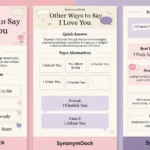
Other ways to say please confirm receipt of this email include Kindly acknowledge receipt, Please let me know once received, Could you confirm you received this message?, I would appreciate confirmation, and Please reply to confirm receipt.
Sending an important email is only half the communication process. Sometimes, you also need to know whether the recipient has received your message or its attachments successfully.
The expression Please confirm receipt of this email is clear and professional, but repeating it can make your communication sound overly formal. Choosing alternative expressions helps you communicate naturally while maintaining courtesy and professionalism.
Whether you’re contacting a client, emailing a manager, submitting academic documents, or following up with a colleague, the right wording makes a difference. This guide explores ten useful alternatives, explains their meanings, and shows you when to use each one.
Quick Category Guide: Professional and Natural Alternatives
Different situations require different levels of formality. Here are useful expressions organized by communication style.
1. Formal Alternatives
- Kindly acknowledge receipt of this email.
- Please confirm that this message has been received.
- I would appreciate your acknowledgment of receipt.
- Please provide written confirmation of receipt.
Pro Tip: Choose formal wording when sending official documents, agreements, or important business correspondence.
2. Professional Alternatives
- Could you please confirm receipt?
- Please let me know once you receive this.
- I would appreciate a quick confirmation.
- Kindly confirm that you received the attachment.
Pro Tip: These expressions work well with clients, managers, and professional contacts.
3. Business Email Alternatives
- Please reply to confirm receipt.
- A quick acknowledgment would be appreciated.
- Could you confirm that everything came through?
- Please confirm receipt of the attached documents.
Pro Tip: Mention the specific document when sending invoices, reports, or proposals.
4. Academic Alternatives
- Please confirm receipt of my assignment.
- I would appreciate confirmation that my submission was received.
- Kindly acknowledge receipt of the attached research paper.
Pro Tip: Use precise language when communicating with instructors, supervisors, or academic departments.
5. Casual Alternatives
- Let me know when you get this.
- Just checking that this came through.
- Please let me know you received it.
Pro Tip: These expressions are suitable for familiar colleagues and everyday professional conversations.
6. Informal Expressions
- Got this?
- Let me know when it arrives.
- Just checking you received my email.
Pro Tip: Reserve informal wording for people you know well.
What Does “Please Confirm Receipt of This Email” Mean?
The phrase Please confirm receipt of this email means that you are asking someone to acknowledge that your email has successfully reached them.
In simple English, you’re saying:
“I have sent you an email. Please let me know that you received it.”
Grammar Explanation
The phrase contains three important parts:
- Please: Makes the request more courteous.
- Confirm: Asks someone to verify information.
- Receipt: Refers to the act of receiving something.
The expression is grammatically correct and commonly understood in professional correspondence.
Example: Please confirm receipt of the updated project proposal.
This sentence asks the recipient to verify that the proposal arrived. It does not automatically request approval or agreement.
When Should You Use This Expression?
The phrase is useful whenever receiving confirmation matters. However, its wording should match the communication situation.
Business Communication
When sharing important documents with business partners, confirmation helps establish that the information reached the intended recipient.
Example: Please confirm receipt of the revised agreement.
Professional Emails
Use a polite acknowledgment request when sending information that requires attention.
Example: Could you please confirm that you received my previous email?
Meetings
When distributing meeting agendas or supporting documents, ask participants to acknowledge receipt.
Example: Please let me know if you received the meeting materials.
Presentations
When sharing presentation slides beforehand, request a quick acknowledgment.
Example: Please confirm that the presentation slides came through successfully.
Academic Writing
Students can use formal acknowledgment requests when submitting assignments or research documents.
Example: I would appreciate confirmation that my assignment was received.
Interviews
Candidates may request acknowledgment after sending requested documents.
Example: Please let me know whether my application documents have been received.
Daily Conversations
With familiar colleagues, simple expressions usually sound more natural.
Example: Just checking that you got my email.
Professional vs. Polite: What’s the Difference?
Professional and polite expressions often overlap, but they serve slightly different communication purposes.
| Style | Example | Main Purpose |
|---|---|---|
| Polite | Could you please confirm receipt? | Show courtesy |
| Professional | Please confirm receipt of the attached report. | Maintain workplace clarity |
| Formal | Kindly acknowledge receipt of this correspondence. | Suit official communication |
| Natural | Please let me know when you receive this. | Sound conversational |
Expert advice: Professional English does not always require complicated vocabulary. A short, clear sentence often sounds more confident than an unnecessarily formal one.
Pros and Cons of Requesting Receipt Confirmation
Pros
- Improves clarity: Both parties know whether the message arrived.
- Reduces uncertainty: The sender does not need to guess whether an email was received.
- Supports documentation: Written acknowledgment can help maintain communication records.
- Encourages accountability: It establishes that an important message reached its recipient.
- Improves coordination: Teams can move forward once receipt is confirmed.
Cons
- Can sound demanding: Repeated requests may create unnecessary pressure.
- Adds extra emails: Simple messages sometimes receive unnecessary acknowledgment replies.
- May sound overly formal: Traditional expressions can feel stiff between familiar colleagues.
- Does not prove understanding: Receiving an email does not mean someone has read or understood it.
- Can create confusion: Receipt confirmation should not be mistaken for approval.
Other Ways to Say “Please Confirm Receipt of This Email” (With Examples)
Here are ten practical alternatives, arranged from broadly useful professional expressions to less formal options.
1. Kindly Acknowledge Receipt of This Email
Meaning: Politely asks the recipient to confirm that the email has arrived.
Explanation: This is a formal expression suitable for official correspondence. It emphasizes acknowledgment rather than requiring a detailed response.
- Formal: Yes
- Neutral: No
- Professional: Yes
- Casual: No
Example Sentence: Kindly acknowledge receipt of this email and the attached financial report.
Best Use: Official correspondence
Avoid Using In: Friendly conversations
Tone: Respectful, formal
Formality Level: ⭐⭐⭐⭐⭐
Usage Frequency: Common
CEFR Level: C1
Common Collocations: Acknowledge receipt, written acknowledgment, receipt confirmation, official correspondence.
Context Examples:
- Spoken English: Could you acknowledge that you received it?
- Professional English: Kindly acknowledge receipt of the attached report.
- Casual Conversation: Let me know when you get it.
2. Could You Please Confirm Receipt?
Meaning: Politely asks someone to verify that something was received.
Explanation: This is one of the most versatile alternatives. It sounds professional without being unnecessarily complicated.
- Formal: Yes
- Neutral: Yes
- Professional: Yes
- Casual: Sometimes
Example Sentence: Could you please confirm receipt of the revised proposal?
Best Use: Business emails
Avoid Using In: Very casual chats
Tone: Courteous, professional
Formality Level: ⭐⭐⭐⭐
Usage Frequency: Very Common
CEFR Level: B2
Common Collocations: Confirm receipt, confirm delivery, confirm submission, confirm receipt of documents.
Context Examples:
- Spoken English: Could you confirm that you got it?
- Professional English: Could you please confirm receipt of the proposal?
- Casual Conversation: Can you let me know when it arrives?
3. Please Let Me Know Once You Receive This
Meaning: Requests a notification after the message or document arrives.
Explanation: This expression sounds natural and friendly while remaining appropriate for workplace communication.
- Formal: Moderate
- Neutral: Yes
- Professional: Yes
- Casual: Yes
Example Sentence: Please let me know once you receive the updated project files.
Best Use: Team communication
Avoid Using In: Strict legal notices
Tone: Friendly, courteous
Formality Level: ⭐⭐⭐
Usage Frequency: Very Common
CEFR Level: B1
Common Collocations: Receive this email, receive the files, receive the document, receive the update.
Context Examples:
- Spoken English: Let me know when it arrives.
- Professional English: Please let me know once you receive the documents.
- Casual Conversation: Tell me when you get it.
4. I Would Appreciate Confirmation of Receipt
Meaning: Politely expresses that receiving confirmation would be helpful.
Explanation: This phrase is particularly useful when communicating with clients, suppliers, or people outside your organization.
- Formal: Yes
- Neutral: Moderate
- Professional: Yes
- Casual: No
Example Sentence: I would appreciate confirmation of receipt of the signed agreement.
Best Use: Client correspondence
Avoid Using In: Quick chats
Tone: Polite, respectful
Formality Level: ⭐⭐⭐⭐⭐
Usage Frequency: Common
CEFR Level: C1
Common Collocations: Confirmation of receipt, written confirmation, receipt of documents, confirmation of submission.
Context Examples:
- Spoken English: I’d appreciate knowing whether you received it.
- Professional English: I would appreciate confirmation of receipt.
- Casual Conversation: Let me know if you got it.
5. Please Reply to Confirm Receipt
Meaning: Asks the recipient to send a reply confirming delivery.
Explanation: This is a direct expression that works when an actual written response is necessary.
- Formal: Moderate
- Neutral: Yes
- Professional: Yes
- Casual: Sometimes
Example Sentence: Please reply to confirm receipt of the application documents.
Best Use: Required acknowledgment
Avoid Using In: Unnecessary follow-ups
Tone: Direct, professional
Formality Level: ⭐⭐⭐⭐
Usage Frequency: Common
CEFR Level: B2
Common Collocations: Reply to confirm, written reply, receipt acknowledgment, confirmation email.
Context Examples:
- Spoken English: Please reply when you receive it.
- Professional English: Please reply to confirm receipt of the application.
- Casual Conversation: Send me a quick message when it arrives.
Native Speaker Tip: Alternatives 1–5
For most modern workplace emails, Could you please confirm receipt? is a particularly natural choice.
“Kindly acknowledge receipt” is more formal and works best in official correspondence. “Please let me know once you receive this” sounds warmer and more conversational.
6. Could You Confirm That You Received This Message?
Meaning: Asks someone directly whether the message reached them.
Explanation: This is a clear, conversational alternative that works in professional and everyday communication.
- Formal: Moderate
- Neutral: Yes
- Professional: Yes
- Casual: Yes
Example Sentence: Could you confirm that you received this message before tomorrow’s meeting?
Best Use: General emails
Avoid Using In: Very formal notices
Tone: Clear, polite
Formality Level: ⭐⭐⭐
Usage Frequency: Very Common
CEFR Level: B1
Common Collocations: Received this message, received the email, received the information, received the attachment.
Context Examples:
- Spoken English: Did you receive my message?
- Professional English: Could you confirm that you received this message?
- Casual Conversation: Did you get my email?
7. A Quick Confirmation Would Be Appreciated
Meaning: Politely requests a short acknowledgment.
Explanation: This expression is concise and useful when you do not need a detailed response.
- Formal: Moderate
- Neutral: Yes
- Professional: Yes
- Casual: Sometimes
Example Sentence: A quick confirmation would be appreciated once the documents arrive.
Best Use: Short business requests
Avoid Using In: Personal conversations
Tone: Polite, concise
Formality Level: ⭐⭐⭐⭐
Usage Frequency: Common
CEFR Level: C1
Common Collocations: Quick confirmation, written confirmation, brief acknowledgment, confirmation of receipt.
Context Examples:
- Spoken English: A quick yes would be helpful.
- Professional English: A quick confirmation would be appreciated.
- Casual Conversation: Just send me a quick reply.
8. Please Let Me Know That Everything Came Through
Meaning: Asks whether an email and its contents arrived successfully.
Explanation: This friendly expression is particularly useful when sending several attachments or important files.
- Formal: Low
- Neutral: Yes
- Professional: Yes
- Casual: Yes
Example Sentence: Please let me know that everything came through, including the presentation slides.
Best Use: Attachment confirmation
Avoid Using In: Legal correspondence
Tone: Friendly, natural
Formality Level: ⭐⭐⭐
Usage Frequency: Common
CEFR Level: B1
Common Collocations: Came through successfully, files came through, email came through, attachments arrived.
Context Examples:
- Spoken English: Did everything come through?
- Professional English: Please let me know that all the attachments came through.
- Casual Conversation: Did you get everything I sent?
9. Just Checking That You Received My Email
Meaning: Politely follows up to check whether an earlier email was received.
Explanation: This expression is best used when you have already sent a message and have not received confirmation.
- Formal: No
- Neutral: Yes
- Professional: Yes
- Casual: Yes
Example Sentence: Just checking that you received my email about the upcoming meeting.
Best Use: Email follow-ups
Avoid Using In: First contact
Tone: Friendly, relaxed
Formality Level: ⭐⭐
Usage Frequency: Very Common
CEFR Level: B1
Common Collocations: Checking you received, checking whether received, follow-up email, previous message.
Context Examples:
- Spoken English: I wanted to check whether you got my email.
- Professional English: Just checking that you received my previous email.
- Casual Conversation: Did you see my email?
10. Let Me Know When You Get This
Meaning: Asks someone to notify you after receiving a message.
Explanation: This is the most conversational option on the list. It works well with familiar colleagues, classmates, and friends.
- Formal: No
- Neutral: Yes
- Professional: Sometimes
- Casual: Yes
Example Sentence: Let me know when you get this so we can finalize the schedule.
Best Use: Informal communication
Avoid Using In: Official correspondence
Tone: Relaxed, friendly
Formality Level: ⭐⭐
Usage Frequency: Very Common
CEFR Level: B1
Common Collocations: Get this message, get the email, receive the update, send a quick reply.
Context Examples:
- Spoken English: Tell me when you receive it.
- Professional English: Please let me know when you receive the updated schedule.
- Casual Conversation: Let me know when you get this.
Native Speaker Tip: Alternatives 6–10
Natural English favors clarity over complicated expressions. “Could you confirm that you received this message?” works in many situations.
“Just checking that you received my email” is especially useful for follow-ups. “Let me know when you get this” is less formal and best reserved for familiar contacts.
Expert Insight: Choosing the Right Expression
A good acknowledgment request should communicate exactly what you need without making the recipient feel pressured.
Workplace Communication
When emailing managers or clients, use polite and direct expressions. “Could you please confirm receipt?” is a reliable choice.
Email Writing
Mention the specific item whenever possible. Confirming receipt of a signed contract is clearer than simply referring to an email.
Academic English
Students should use complete sentences when contacting teachers or academic departments. “I would appreciate confirmation that my submission was received” is appropriate.
Professional Tone
Avoid using unnecessarily complicated expressions to sound important. Clear English creates a stronger impression than excessive formality.
Quick Recap: The Best Alternatives
| Category | Best Choice |
|---|---|
| Best Professional Choice | Could you please confirm receipt? |
| Best Casual Choice | Let me know when you get this. |
| Best Formal Choice | Kindly acknowledge receipt of this email. |
| Most Natural Choice | Please let me know once you receive this. |
| Most Polite Choice | I would appreciate confirmation of receipt. |
Comparison Table: All 10 Alternatives
| Phrase | Tone | Formality | Best Use | Frequency |
|---|---|---|---|---|
| Kindly acknowledge receipt | Formal | Very High | Official emails | Common |
| Could you please confirm receipt? | Professional | High | Business emails | Very Common |
| Please let me know once you receive this | Friendly | Medium | Team communication | Very Common |
| I would appreciate confirmation of receipt | Respectful | Very High | Client emails | Common |
| Please reply to confirm receipt | Direct | High | Required acknowledgment | Common |
| Could you confirm that you received this message? | Neutral | Medium | General emails | Very Common |
| A quick confirmation would be appreciated | Polite | High | Business requests | Common |
| Please let me know that everything came through | Friendly | Medium | Attachments | Common |
| Just checking that you received my email | Casual | Low | Follow-ups | Very Common |
| Let me know when you get this | Informal | Low | Everyday communication | Very Common |
Formality and frequency labels are practical editorial estimates, not measured corpus statistics.
Which Alternative Is the Best Choice?
The right expression depends on your relationship with the recipient and the importance of the message.
- Best Overall: Could you please confirm receipt? It is clear, polite, and suitable for many professional situations.
- Best Professional: I would appreciate confirmation of receipt. It maintains a respectful business tone.
- Best Academic: I would appreciate confirmation that my submission was received. It is clear and appropriate for educational communication.
- Best Business Email: Kindly acknowledge receipt of this email. It works well for official documents.
- Best Everyday Conversation: Let me know when you get this. It sounds relaxed and natural.
- Most Natural: Please let me know once you receive this. It balances friendliness and professionalism.
- Most Polite: Could you please confirm receipt? Its courteous request structure makes it a dependable choice.
Commonly Confused Phrases
Some expressions look similar but communicate different meanings. Understanding these differences helps prevent misunderstandings.
1. Confirm Receipt vs. Confirm Approval
- Confirm receipt: Verifies that something arrived.
- Confirm approval: Verifies that something has been accepted.
Example: Confirming receipt of a proposal does not mean approving the proposal.
2. Acknowledge Receipt vs. Acknowledge the Email
- Acknowledge receipt: Confirms that something was received.
- Acknowledge the email: Can mean recognizing the message or responding to its contents.
Example: Please acknowledge receipt of the application.
3. Confirm Delivery vs. Confirm Receipt
- Confirm delivery: Focuses on whether something was delivered.
- Confirm receipt: Focuses on whether the recipient received it.
Example: Please confirm receipt of the attached invoice.
4. Received vs. Reviewed
- Received: The message or document arrived.
- Reviewed: Someone examined its contents.
Example: I received your report and will review it tomorrow.
5. Acknowledgment vs. Response
- Acknowledgment: A short confirmation that something was received.
- Response: A reply that may answer questions or provide additional information.
Example: Thank you for the acknowledgment. I look forward to your detailed response.
Scenario Practice: Which Phrase Would You Choose?
Test your understanding with these five everyday communication situations.
Situation 1: Business Meeting
You send an important meeting agenda to your department manager. You need confirmation that it arrived.
Question: Which phrase would you choose?
Answer: Could you please confirm receipt?
Explanation: It is polite, professional, and suitable for communicating with managers.
Situation 2: Interview
A recruitment coordinator asks you to submit additional documents. You want to know whether they arrived.
Question: Which phrase would you choose?
Answer: I would appreciate confirmation of receipt.
Explanation: This expression communicates courtesy and professionalism in formal correspondence.
Situation 3: Presentation
You send presentation slides to a colleague before a scheduled presentation.
Question: Which phrase would you choose?
Answer: Please let me know that everything came through.
Explanation: This wording naturally covers all the attachments without sounding overly formal.
Situation 4: Classroom Discussion
You send your teacher an assignment and want to check whether it was received.
Question: Which phrase would you choose?
Answer: I would appreciate confirmation that my submission was received.
Explanation: It is respectful and clearly identifies what needs acknowledgment.
Situation 5: Email Reply
You sent a message to a familiar colleague yesterday but have not received confirmation.
Question: Which phrase would you choose?
Answer: Just checking that you received my email.
Explanation: It is a friendly follow-up that avoids sounding unnecessarily demanding.
Mini Quiz: Test Your Professional English
Choose the best answer for each question.
1. Which expression is most appropriate for a formal business email?
A. Got this?
B. Kindly acknowledge receipt of this email.
C. Did you get it?
D. Send me a quick reply.
2. Which phrase sounds most natural when emailing a familiar colleague?
A. Kindly acknowledge receipt.
B. I await your acknowledgment.
C. Let me know when you get this.
D. Please provide written confirmation.
3. What does confirming receipt mean?
A. Approving a document.
B. Reading every sentence.
C. Verifying that something was received.
D. Accepting a proposal.
4. Which expression is best for checking whether attachments arrived?
A. Please let me know that everything came through.
B. Please approve the attachments.
C. I await your decision.
D. Please review immediately.
5. Which sentence is the best professional follow-up?
A. Why haven’t you answered?
B. Just checking that you received my previous email.
C. You need to reply now.
D. I know you received my email.
Answer Key
- B – Formal and respectful.
- C – Friendly and conversational.
- C – Receipt means successful reception.
- A – It checks that all attachments arrived.
- B – It follows up politely without applying unnecessary pressure.
FAQs
1. What is another way to say please confirm receipt of this email?
You can say “Could you please confirm receipt?” or “Kindly acknowledge receipt of this email.” Both expressions are professional alternatives that politely ask someone to verify that your message has arrived.
2. Is it professional to say please confirm receipt of this email?
Yes, this expression is professional and grammatically correct. It is particularly useful when sending important documents, proposals, or official information that requires acknowledgment from the recipient.
3. How do you politely ask someone to acknowledge an email?
Use a courteous expression such as “I would appreciate a quick confirmation of receipt.” You can also mention the specific document to make your request clearer and more helpful.
4. What is the difference between acknowledge receipt and confirm receipt?
Both expressions communicate that something was received. However, “confirm receipt” directly requests verification, while “acknowledge receipt” emphasizes formally recognizing that the message or document arrived.
5. How do you ask someone to confirm receipt without sounding rude?
Use friendly wording such as “Could you please let me know once you receive this?” Avoid demanding language, repeated follow-ups, or unnecessary urgency when requesting confirmation.
Conclusion
Choosing the right alternative to “Please confirm receipt of this email” helps make your communication clearer, more natural, and professional. Expressions such as “Could you please confirm receipt?” and “Please let me know once you receive this” work particularly well in everyday workplace situations. Formal alternatives are useful for official documents, while conversational expressions suit familiar colleagues.
The best way to improve your English vocabulary is to practice these phrases in real situations. Pay attention to tone, context, and your relationship with the recipient. With consistent practice, you’ll communicate confidently and professionally in every email.