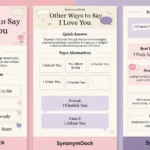
Other ways to say how are you include How’s it going?, How have you been?, How are things?, How’s everything going?, and How’s your day going? These alternatives help you sound natural, friendly, polite, and professional.
How often do you start a conversation with the same question: How are you? It’s a friendly and polite greeting, but English offers many other expressions for different situations. Choosing the right alternative can make your conversations more engaging and natural.
Whether you’re speaking with friends, writing a business email, attending a meeting, or participating in classroom discussions, using varied greetings improves your communication. Learning these expressions also helps ESL students understand conversational English and choose words that match their audience.
In this guide, you’ll discover 10 other ways to say how are you, complete with meanings, examples, tone differences, and practical tips.
Quick Categories: Different Ways to Say How Are You
1. Formal Alternatives
Use these expressions when speaking respectfully with unfamiliar people or in more formal situations.
- How have you been?
- How are you doing today?
- I hope you are doing well.
- I trust you are well.
Pro Tip: Choose complete, polite expressions when addressing someone you don’t know personally.
2. Professional Alternatives
These phrases work well with colleagues, managers, clients, and business contacts.
- How are things going?
- How is everything progressing?
- How are things on your end?
- How has your week been?
Pro Tip: Connect your greeting to a shared project or workplace situation when appropriate.
3. Business Email Alternatives
These expressions create a polite opening without sounding overly personal.
- I hope you’re doing well.
- I hope your week is going smoothly.
- I trust everything is going well.
- I hope all is well on your end.
Pro Tip: Keep email greetings brief and move naturally toward the purpose of your message.
4. Academic Alternatives
Use these expressions when communicating with teachers, classmates, professors, or academic colleagues.
- How are you doing today?
- How have you been lately?
- How is everything going with your studies?
- I hope your semester is going well.
Pro Tip: Choose respectful language when communicating with teachers or academic professionals.
5. Casual Alternatives
These greetings are suitable for friends, classmates, and familiar colleagues.
- How’s it going?
- How’s everything?
- How’s your day going?
- What’s new with you?
Pro Tip: Casual expressions make everyday conversations feel more relaxed and friendly.
6. Informal Expressions
Use these phrases when talking with people you know well.
- What’s up?
- How’s life?
- What have you been up to?
- How’s life treating you?
Pro Tip: Informal greetings are best reserved for relaxed conversations rather than formal emails.
What Does “How Are You?” Mean?
“How are you?” is a common English greeting used to ask about someone’s health, mood, feelings, or general well-being.
It can also work as a friendly conversation starter. Depending on the situation, the speaker may expect a short response or a more detailed update.
Grammar explanation:
- How: Question word used to ask about someone’s condition.
- Are: Present-tense form of the verb “be.”
- You: The person being addressed.
Simple example:
“Hello, Sarah! How are you?”
This question shows interest in Sarah’s well-being and invites her to respond.
When Should You Use Alternatives to How Are You?
Different situations call for different greetings. Here is how to choose an appropriate expression.
Business Communication
Use professional expressions that communicate respect without becoming overly personal.
Example: “How are things progressing with the new project?”
Emails
Email greetings should sound polite and natural.
Example: “I hope you’re doing well. I’m writing to discuss the upcoming meeting.”
Meetings
Choose friendly but respectful expressions when greeting colleagues.
Example: “Good morning, everyone. How is your week going?”
Presentations
A brief greeting can help you establish a welcoming atmosphere.
Example: “Good morning, everyone. I hope you’re all doing well.”
Academic Writing
In academic emails and correspondence, use complete and respectful greetings.
Example: “I hope your semester is going well.”
Interviews
A simple greeting is usually more appropriate than an overly casual question.
Example: “Good morning. How are you doing today?”
Daily Conversations
Friends and classmates generally appreciate natural, relaxed expressions.
Example: “Hey! What’s new with you?”
Professional vs. Polite: What’s the Difference?
These terms are related, but they don’t mean exactly the same thing.
| Style | Meaning | Example |
|---|---|---|
| Polite | Shows respect and consideration | How are you doing today? |
| Professional | Appropriate for workplace communication | How are things progressing? |
| Formal | Uses more reserved language | I trust you are well. |
| Natural | Sounds comfortable in everyday English | How’s it going? |
Important lesson: Professional English doesn’t always need complicated vocabulary. A simple, respectful greeting often sounds better than an unnecessarily formal expression.
Pros and Cons of Using Different Greetings
Pros
- Improved vocabulary: You learn different expressions for everyday communication.
- Better fluency: Your conversations become less repetitive.
- Appropriate tone: You can adapt your language to different audiences.
- Stronger communication: Specific greetings can show genuine interest in someone.
Cons
- Possible confusion: Some informal expressions may confuse beginner English learners.
- Wrong context: Casual greetings may sound inappropriate in formal situations.
- Overly formal language: Unnecessarily formal phrases can make friendly conversations awkward.
- Regional differences: Some greetings are more common in certain English-speaking regions.
Other Ways to Say “How Are You?” (With Examples)
Here are 10 useful alternatives, arranged from broadly useful everyday expressions to more context-specific greetings.
1. How Are You Doing?
Meaning: A friendly way to ask about someone’s current condition or general well-being.
Explanation: This expression is slightly more conversational than the traditional greeting. It works in everyday situations and many professional environments.
Tone: Friendly and polite.
Formality Level: ⭐⭐⭐⭐
Usage Frequency: Very Common
CEFR Level: B1
Common Collocations:
- How are you doing today?
- How are you doing lately?
- How are you doing at work?
- How are you doing with everything?
Context Examples:
- Spoken English: “Hi, Emma! How are you doing?”
- Professional English: “Good morning, Mr. James. How are you doing today?”
- Casual Conversation: “Hey! How are you doing after the holidays?”
Example Sentence: “I haven’t seen you since Monday. How are you doing?”
Best Use: Everyday conversations
Avoid Using In: Very formal letters
2. How’s It Going?
Meaning: A relaxed way to ask how someone’s life or current situation is progressing.
Explanation: This is one of the most natural alternatives in casual spoken English. It works particularly well with friends, classmates, and familiar coworkers.
Tone: Relaxed and friendly.
Formality Level: ⭐⭐
Usage Frequency: Very Common
CEFR Level: B1
Common Collocations:
- How’s work going?
- How’s school going?
- How’s everything going?
- How’s the project going?
Context Examples:
- Spoken English: “Hey, David! How’s it going?”
- Professional English: “How’s it going with the new assignment?”
- Casual Conversation: “It’s been a while! How’s it going?”
Example Sentence: “Hey, how’s it going with your new classes?”
Best Use: Friendly conversations
Avoid Using In: Formal correspondence
3. How Have You Been?
Meaning: A question about someone’s well-being over a period of time.
Explanation: Use this expression when reconnecting with someone you haven’t seen or spoken to recently. It invites a more personal update than a simple greeting.
Tone: Warm and thoughtful.
Formality Level: ⭐⭐⭐⭐
Usage Frequency: Very Common
CEFR Level: B1
Common Collocations:
- How have you been lately?
- How have you been doing?
- How have you been feeling?
- How have things been?
Context Examples:
- Spoken English: “Long time no see! How have you been?”
- Professional English: “It’s good to reconnect. How have you been?”
- Casual Conversation: “We haven’t talked in months. How have you been?”
Example Sentence: “I heard you started a new job. How have you been?”
Best Use: Reconnecting with people
Avoid Using In: Routine quick greetings
4. How Are Things?
Meaning: A general question about someone’s life, work, or current circumstances.
Explanation: This expression is neutral and flexible. You can use it with friends, classmates, and colleagues without sounding too formal or informal.
Tone: Neutral and friendly.
Formality Level: ⭐⭐⭐
Usage Frequency: Very Common
CEFR Level: B1
Common Collocations:
- How are things at work?
- How are things going?
- How are things with you?
- How are things at home?
Context Examples:
- Spoken English: “Hi, Alex! How are things?”
- Professional English: “How are things going with your department?”
- Casual Conversation: “How are things with your family?”
Example Sentence: “We haven’t caught up recently. How are things?”
Best Use: General conversations
Avoid Using In: Highly formal documents
5. How’s Everything Going?
Meaning: A friendly question about someone’s overall circumstances.
Explanation: This expression asks about more than someone’s mood. It can include work, studies, family, and everyday experiences.
Tone: Warm and conversational.
Formality Level: ⭐⭐⭐
Usage Frequency: Common
CEFR Level: B1
Common Collocations:
- How’s everything going at work?
- How’s everything going today?
- How’s everything going with school?
- How’s everything going lately?
Context Examples:
- Spoken English: “Hey, how’s everything going?”
- Professional English: “How’s everything going with the latest project?”
- Casual Conversation: “How’s everything going at home?”
Example Sentence: “You’ve been working on your exams. How’s everything going?”
Best Use: General check-ins
Avoid Using In: Extremely formal writing
Native Speaker Tip: The First Five
For everyday communication, “How are you doing?” and “How’s it going?” are especially natural choices. “How have you been?” is better for reconnecting after time apart. In professional settings, a simple greeting often sounds more natural than an elaborate formal expression.
6. How’s Your Day Going?
Meaning: A question about someone’s experience during the current day.
Explanation: This greeting feels personal without being intrusive. It works particularly well when you meet someone during the day and want to start a friendly conversation.
Tone: Cheerful and considerate.
Formality Level: ⭐⭐⭐
Usage Frequency: Common
CEFR Level: B1
Common Collocations:
- How’s your morning going?
- How’s your afternoon going?
- How’s your day been?
- How’s your day going so far?
Context Examples:
- Spoken English: “Hello! How’s your day going?”
- Professional English: “How’s your day going so far, everyone?”
- Casual Conversation: “Hey, how’s your day been?”
Example Sentence: “I hope your meeting went well. How’s your day going?”
Best Use: Daily check-ins
Avoid Using In: Formal academic essays
7. I Hope You’re Doing Well.
Meaning: A polite expression that communicates goodwill and interest in someone’s well-being.
Explanation: Unlike a direct question, this phrase expresses a positive wish rather than demanding an answer. It is particularly useful in professional emails and written communication.
Tone: Respectful and professional.
Formality Level: ⭐⭐⭐⭐⭐
Usage Frequency: Very Common
CEFR Level: B2
Common Collocations:
- I hope you’re doing well.
- I hope you’re doing well today.
- I hope you’re doing well this week.
- I sincerely hope you’re doing well.
Context Examples:
- Spoken English: “I hope you’re doing well.”
- Professional English: “I hope you’re doing well. I wanted to discuss the project.”
- Casual Conversation: “Hope you’re doing well! It’s been a while.”
Example Sentence: “I hope you’re doing well. I’m following up on our previous conversation.”
Best Use: Professional emails
Avoid Using In: Very casual quick chats
8. I Trust You’re Well.
Meaning: A formal expression communicating that you expect someone to be doing well.
Explanation: This phrase sounds more formal and reserved than “I hope you’re doing well.” It can suit traditional business correspondence, although it may feel stiff in everyday communication.
Tone: Formal and respectful.
Formality Level: ⭐⭐⭐⭐⭐
Usage Frequency: Occasional
CEFR Level: C1
Common Collocations:
- I trust you’re well.
- I trust all is well.
- I trust you’re keeping well.
- I trust everything is going smoothly.
Context Examples:
- Spoken English: “I trust you’re well.”
- Professional English: “I trust you’re well and that the preparations are progressing smoothly.”
- Casual Conversation: This expression is generally too formal for close friends.
Example Sentence: “I trust you’re well and looking forward to our upcoming discussion.”
Best Use: Formal correspondence
Avoid Using In: Casual conversations
9. Are You Doing Okay?
Meaning: A question that checks whether someone feels comfortable, healthy, or emotionally well.
Explanation: This expression often communicates concern rather than serving as an ordinary greeting. Use it when someone seems upset, worried, or unusually quiet.
Tone: Caring and concerned.
Formality Level: ⭐⭐⭐
Usage Frequency: Common
CEFR Level: B1
Common Collocations:
- Are you doing okay today?
- Are you feeling okay?
- Is everything okay?
- Are you doing all right?
Context Examples:
- Spoken English: “You seem a little quiet. Are you doing okay?”
- Professional English: “You’ve had a busy morning. Are you doing okay?”
- Casual Conversation: “Hey, are you doing okay?”
Example Sentence: “I noticed you seemed worried earlier. Are you doing okay?”
Best Use: Personal check-ins
Avoid Using In: Routine business openings
10. What’s New With You?
Meaning: A casual question asking about recent experiences, changes, or developments in someone’s life.
Explanation: This expression encourages someone to share news or updates. It is more focused on recent events than general well-being.
Tone: Curious and friendly.
Formality Level: ⭐⭐
Usage Frequency: Common
CEFR Level: B1
Common Collocations:
- What’s new with you?
- What’s new at work?
- Anything new with you?
- What’s new in your life?
Context Examples:
- Spoken English: “Hey! What’s new with you?”
- Professional English: “What’s new with your department?”
- Casual Conversation: “It’s been ages! What’s new with you?”
Example Sentence: “We haven’t caught up in weeks. What’s new with you?”
Best Use: Friendly catch-ups
Avoid Using In: Formal business letters
Native Speaker Tip: The Last Five
“I hope you’re doing well” is a dependable professional email opening, while “How’s your day going?” feels more conversational. “I trust you’re well” is less common and more formal. Remember that “Are you doing okay?” can suggest concern, so use it thoughtfully.
Expert Insight: Choosing the Right Expression
Workplace Communication
Choose greetings that respect professional boundaries while encouraging conversation. “How are things going?” works well when speaking with colleagues about their general situation.
For project discussions, make your greeting more specific. For example, “How is everything progressing with the presentation?” gives the conversation a clear direction.
Email Writing
“I hope you’re doing well” is a reliable opening for professional messages. However, you don’t need to include a personal greeting in every email.
When communicating regularly, a short greeting or direct opening may be more natural.
Academic English
Students can use “How are you doing today?” when speaking with classmates or teachers. In academic emails, “I hope your semester is going well” provides a respectful and relevant opening.
Quick Recap: Best Alternatives at a Glance
| Category | Best Phrase |
|---|---|
| Best Professional Choice | I hope you’re doing well. |
| Best Casual Choice | How’s it going? |
| Best Formal Choice | I trust you’re well. |
| Most Natural Choice | How are you doing? |
| Most Polite Choice | I hope you’re doing well. |
Comparison Table: 10 Other Ways to Say How Are You
| Phrase | Tone | Formality | Best Use | Frequency |
|---|---|---|---|---|
| How are you doing? | Friendly | Medium | Everyday | Very Common |
| How’s it going? | Casual | Low | Friends | Very Common |
| How have you been? | Warm | Medium | Reconnecting | Very Common |
| How are things? | Neutral | Medium | General chats | Very Common |
| How’s everything going? | Friendly | Medium | Check-ins | Common |
| How’s your day going? | Cheerful | Medium | Daily chats | Common |
| I hope you’re doing well. | Professional | High | Emails | Very Common |
| I trust you’re well. | Formal | High | Correspondence | Occasional |
| Are you doing okay? | Caring | Medium | Personal check-ins | Common |
| What’s new with you? | Casual | Low | Catch-ups | Common |
Note: Formality and frequency labels are practical learning guides, not fixed linguistic measurements. Usage varies by region and situation.
Best Choice: Which Alternative Should You Use?
Best Overall: How Are You Doing?
It is friendly, widely understood, and suitable for most everyday situations.
Best Professional: I Hope You’re Doing Well.
This expression sounds respectful and works particularly well in workplace correspondence.
Best Academic: How Are You Doing Today?
It is clear, polite, and appropriate for conversations with teachers and classmates.
Best Business Email: I Hope You’re Doing Well.
It provides a natural opening before introducing the purpose of your email.
Best Everyday Conversation: How’s It Going?
It sounds relaxed and friendly when talking with people you know.
Most Natural: How Are Things?
It is simple, flexible, and easy to use in many everyday situations.
Most Polite: I Hope You’re Doing Well.
It communicates goodwill without making the other person feel pressured to share personal details.
Commonly Confused Phrases
Some English greetings look similar but communicate different meanings. Understanding these differences helps you avoid awkward conversations.
1. How Are You? vs. How Have You Been?
- How are you? asks about someone’s current well-being.
- How have you been? asks about their experiences over a period of time.
Example:
“Hello! How have you been since we last met?”
Use the second expression when reconnecting after a break.
2. How’s It Going? vs. What’s Up?
- How’s it going? asks about someone’s general situation.
- What’s up? is a very casual greeting or question about what’s happening.
Example:
“Hey, what’s up? Are you coming to class?”
Use “What’s up?” with friends and familiar people.
3. How Are You Doing? vs. Are You Doing Okay?
- How are you doing? is a general greeting.
- Are you doing okay? often expresses concern about someone’s condition.
Example:
“You seem worried. Are you doing okay?”
The second expression is better when you genuinely want to check on someone.
4. I Hope You’re Well vs. I Trust You’re Well
- I hope you’re well expresses a positive wish.
- I trust you’re well communicates an expectation that someone is doing well.
The first generally sounds more natural in modern professional emails.
Scenario Practice: Which Phrase Would You Choose?
Test your understanding with these five everyday situations.
Situation 1: Business Meeting
You are greeting a colleague before discussing a new project.
Which phrase would you choose?
Answer: “How are things progressing?”
Explanation: It is professional, specific, and naturally introduces a work-related conversation.
Situation 2: Job Interview
You are greeting an interviewer before the interview begins.
Which phrase would you choose?
Answer: “Good morning. How are you doing today?”
Explanation: It sounds respectful and friendly without being overly casual.
Situation 3: Presentation
You are beginning a classroom or workplace presentation.
Which phrase would you choose?
Answer: “Good morning, everyone. I hope you’re doing well.”
Explanation: It creates a polite and welcoming atmosphere.
Situation 4: Classroom Discussion
You meet a classmate before a lesson starts.
Which phrase would you choose?
Answer: “How’s it going?”
Explanation: This casual expression is appropriate for familiar classmates.
Situation 5: Email Reply
You are responding to a professional contact after several days.
Which phrase would you choose?
Answer: “I hope you’re doing well.”
Explanation: It is a polite opening that transitions smoothly into the main message.
Mini Quiz: Test Your English Vocabulary
Choose the best answer for each question.
1. Which expression is most suitable for a professional email?
A. What’s up?
B. I hope you’re doing well.
C. How’s life?
2. Which phrase is best when reconnecting with an old friend?
A. How have you been?
B. What’s happening?
C. How is business?
3. Which expression sounds most casual?
A. I trust you’re well.
B. What’s up?
C. I hope you’re doing well.
4. Someone looks worried. Which question shows concern?
A. What’s new with you?
B. How’s your day going?
C. Are you doing okay?
5. Which phrase asks about someone’s general situation?
A. How are things?
B. I trust you’re well.
C. Good morning.
Answer Key
- B — I hope you’re doing well.
- A — How have you been?
- B — What’s up?
- C — Are you doing okay?
- A — How are things?
Learning Tip: Try using one new expression each day. Practice it in a sentence that matches your real-life situation.
FAQs
1. What are the best other ways to say how are you?
Some excellent alternatives include How are you doing?, How’s it going?, How have you been?, How are things?, and How’s everything going? Choose according to your relationship and the situation.
2. What is the most professional way to ask how are you?
“I hope you’re doing well” is an excellent professional alternative. It works in business emails, workplace messages, and formal correspondence without sounding unnecessarily complicated.
3. How can I say how are you in a formal way?
You can say “I hope you are doing well,” “I trust you are well,” or “How are you doing today?” These expressions communicate respect in formal situations.
4. What is a casual way to ask someone how they are?
“How’s it going?”, “What’s up?”, and “How’s everything?” are popular casual alternatives. They work particularly well with friends, classmates, and familiar colleagues.
5. Is how are you still appropriate in professional emails?
Yes. “How are you?” is grammatically correct and polite in professional communication. However, “I hope you’re doing well” can provide a smoother opening when writing to clients or colleagues.
Conclusion
Learning other ways to say how are you helps you develop stronger vocabulary and more natural communication skills. Instead of repeating the same greeting, you can choose expressions that match your audience, relationship, and situation. Whether you’re speaking with friends, attending meetings, or writing professional emails, the right words make conversations more comfortable and effective.
Start practicing these 10 alternatives in your everyday conversations. Pay attention to how native English speakers use different greetings, and gradually add new expressions to your vocabulary. With consistent practice, you’ll communicate more naturally and confidently in English.