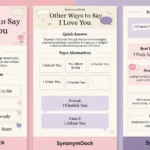
Other ways to say sweet dreams include sleep well, rest easy, have a restful night, sleep soundly, and have a peaceful night. These alternatives help you express warmth, politeness, and care in everyday conversations.
Saying sweet dreams is a lovely way to wish someone a peaceful night. However, repeating the same expression every evening can make your messages feel predictable. Learning different ways to express the same thought helps you communicate more naturally.
Whether you’re texting a friend, writing a thoughtful message, or ending a professional conversation, choosing the right words matters. Some expressions sound affectionate, while others feel neutral, polite, or professional.
In this guide, you’ll discover 10 other ways to say sweet dreams, complete with meanings, examples, pronunciation-friendly expressions, and practical usage tips. You’ll also learn which phrases work best in everyday English and workplace communication.
Quick Categories: Alternatives to Sweet Dreams
Different situations require different expressions. Here are some useful alternatives organized by communication style.
1. Formal Alternatives
- Have a restful night.
- Wishing you a peaceful night.
- May you sleep peacefully.
- Have a pleasant night’s rest.
Pro Tip: Choose complete, courteous expressions when communicating with someone you don’t know well. Avoid overly affectionate language in formal situations.
2. Professional Alternatives
- I hope you get some good rest.
- Have a relaxing evening.
- Wishing you a restful evening.
- Enjoy a peaceful evening.
Pro Tip: Workplace communication should sound respectful and natural. A simple evening wish is usually more appropriate than a personal bedtime expression.
3. Business Email Alternatives
- Have a pleasant evening.
- Enjoy the rest of your evening.
- I hope you have a relaxing evening.
- Thank you, and have a good evening.
Pro Tip: Business emails usually benefit from a courteous evening closing rather than a direct reference to someone’s dreams.
4. Academic Alternatives
- I hope you have a restful night.
- Wishing you a peaceful evening.
- Get some rest before tomorrow.
- I hope you’re well-rested for class.
Pro Tip: Use clear, respectful language with teachers, classmates, and academic colleagues. Academic writing itself rarely needs bedtime wishes.
5. Casual Alternatives
- Sleep well!
- Rest easy!
- Sleep tight!
- Have a peaceful night!
Pro Tip: These expressions are suitable for everyday conversations with friends and family.
6. Informal Expressions
- Nighty night!
- Rest up!
- Get some good sleep!
- Have a cozy night!
Pro Tip: Informal expressions work best when you already have a comfortable relationship with the other person.
What Does “Sweet Dreams” Mean?
Sweet dreams is a common English expression used to wish someone pleasant dreams and peaceful sleep.
It communicates warmth, kindness, affection, and good wishes before someone goes to bed. People commonly use it when ending nighttime conversations with friends, family members, or someone special.
Grammar Explanation:
Sweet dreams is a conventional expression consisting of:
- Sweet: An adjective describing something pleasant or enjoyable.
- Dreams: A plural noun referring to experiences or images during sleep.
The expression commonly stands alone or follows a goodnight message.
Example:
Good night! I hope you have sweet dreams and wake up feeling refreshed.
Simple Explanation: When you say sweet dreams, you’re wishing someone a comfortable night and pleasant dreams while they sleep.
When Should You Use Other Ways to Say Sweet Dreams?
Choosing the right alternative depends on your relationship with the recipient and the communication setting.
Business Communication
Professional conversations require polite, neutral expressions. Instead of sweet dreams, choose have a restful evening or have a pleasant evening.
Emails
When ending an evening email, a simple closing sounds more natural.
Example: Thank you for your assistance today. Have a pleasant evening!
Meetings
If an online meeting finishes late, you can say:
Thank you, everyone. Have a restful evening, and I’ll see you tomorrow.
Presentations
When finishing an evening presentation, use a courteous closing rather than an affectionate bedtime expression.
Example: Thank you for your attention. Have a wonderful evening!
Academic Writing
Bedtime wishes are uncommon in academic writing. However, they can appear in friendly messages between classmates or teachers.
Example: Good luck with tomorrow’s examination. Get some rest tonight!
Interviews
If an interview finishes late, a polite expression is more suitable.
Example: Thank you for your time. I hope you have a pleasant evening.
Daily Conversations
With friends and family, natural expressions such as sleep well, sleep tight, and rest easy are excellent choices.
Professional vs. Polite: What’s the Difference?
These terms are related, but they don’t mean exactly the same thing.
| Communication Style | Meaning | Example |
|---|---|---|
| Polite | Respectful and considerate | Have a peaceful night. |
| Professional | Suitable for workplace communication | Enjoy the rest of your evening. |
| Formal | More reserved and courteous | Wishing you a restful evening. |
| Natural | Common in everyday English | Sleep well! |
Expert Tip: Professional English doesn’t always need complicated vocabulary. Simple expressions often communicate respect more effectively than unnecessarily elaborate sentences.
Pros and Cons of Learning Alternative Expressions
Pros
- Improves vocabulary: You learn different expressions for similar situations.
- Builds confidence: Having more options makes conversations easier.
- Improves tone: You can adjust your language to suit different relationships.
- Develops fluency: Natural expressions help your English sound less repetitive.
- Supports professional communication: You learn to distinguish personal and workplace language.
Cons
- Context matters: Not every alternative works in every situation.
- Some phrases sound unnatural: Unusual expressions may feel forced in everyday conversations.
- Formality can be confusing: English learners may struggle to identify appropriate expressions.
- Meaning can change: Some alternatives focus on rest rather than dreams.
- Overusing expressions sounds repetitive: Even a new phrase can become predictable when used too often.
Other Ways to Say “Sweet Dreams” (With Examples)
Here are 10 useful alternatives, arranged from common everyday expressions to less frequent and more context-specific choices.
1. Phrase: Sleep Well
Meaning: A simple wish for someone to enjoy comfortable, peaceful sleep.
Explanation: Sleep well is one of the most natural alternatives to sweet dreams. It is friendly, neutral, and appropriate for almost any personal conversation.
It doesn’t specifically mention dreams, but it communicates the same general bedtime wish.
Example Sentence: You’ve had a long day. Sleep well and take care!
Best Use: Everyday conversations.
Avoid Using In: Formal academic writing.
Tone: Warm and neutral.
Formality Level: ⭐⭐⭐☆☆
Usage Frequency: Very Common.
CEFR Level: A2–B1.
Common Collocations: Sleep well tonight, sleep well dear, hope you sleep well, sleep well and rest, sleep well everyone.
Context Examples:
- Spoken English: Good night! Sleep well.
- Professional English: I hope you sleep well before tomorrow’s presentation.
- Casual Conversation: Sleep well! Talk to you in the morning.
2. Phrase: Have a Restful Night
Meaning: A wish for a peaceful and refreshing night’s sleep.
Explanation: This expression sounds considerate and slightly more formal than sleep well. It is especially useful when someone has been working hard or feeling tired.
It communicates genuine concern without sounding overly affectionate.
Example Sentence: You’ve worked incredibly hard today. Have a restful night!
Best Use: Professional messages.
Avoid Using In: Very casual banter.
Tone: Polite and caring.
Formality Level: ⭐⭐⭐⭐☆
Usage Frequency: Common.
CEFR Level: B2.
Common Collocations: Have a restful night, restful night’s sleep, peaceful and restful night, enjoy a restful night.
Context Examples:
- Spoken English: Have a restful night. You deserve it.
- Professional English: I hope you have a restful night before the conference.
- Casual Conversation: Get comfortable and have a restful night!
3. Phrase: I Hope You Get a Good Night’s Sleep
Meaning: A thoughtful wish that someone sleeps comfortably throughout the night.
Explanation: This complete sentence sounds natural, polite, and considerate. It works particularly well when someone has an important day ahead or needs proper rest.
Unlike sweet dreams, it focuses on sleep quality rather than pleasant dreams.
Example Sentence: Your examination is tomorrow, so I hope you get a good night’s sleep.
Best Use: Thoughtful messages.
Avoid Using In: Very short sign-offs.
Tone: Considerate and sincere.
Formality Level: ⭐⭐⭐⭐☆
Usage Frequency: Very Common.
CEFR Level: B1–B2.
Common Collocations: Get a good night’s sleep, need a good night’s sleep, enjoy a good night’s sleep, get enough sleep.
Context Examples:
- Spoken English: I hope you get a good night’s sleep.
- Professional English: I hope you get some good rest before the meeting.
- Casual Conversation: Hope you get a good night’s sleep tonight!
4. Phrase: Rest Well
Meaning: A short expression wishing someone sufficient and comfortable rest.
Explanation: Rest well is versatile and easy to understand. It can refer to sleeping or simply relaxing after a tiring day.
Its neutral tone makes it appropriate for friends, relatives, and familiar professional contacts.
Example Sentence: You’ve accomplished so much today. Rest well and enjoy your evening.
Best Use: Friendly sign-offs.
Avoid Using In: Highly formal correspondence.
Tone: Gentle and neutral.
Formality Level: ⭐⭐⭐☆☆
Usage Frequency: Common.
CEFR Level: B1.
Common Collocations: Rest well tonight, rest well everyone, rest well and recover, take time to rest.
Context Examples:
- Spoken English: Good night. Rest well!
- Professional English: Take care and rest well after the event.
- Casual Conversation: Rest well! We’ll catch up tomorrow.
5. Phrase: Have a Peaceful Night
Meaning: A wish for a quiet, calm, and comfortable night.
Explanation: This expression is especially suitable when someone has experienced a stressful or busy day. It sounds gentle and thoughtful without necessarily being romantic.
It emphasizes peace and relaxation more than dreams.
Example Sentence: After everything you’ve managed today, have a peaceful night.
Best Use: Comforting messages.
Avoid Using In: Formal business reports.
Tone: Calm and reassuring.
Formality Level: ⭐⭐⭐⭐☆
Usage Frequency: Common.
CEFR Level: B2.
Common Collocations: Peaceful night ahead, have a peaceful night, peaceful night’s rest, quiet and peaceful night.
Context Examples:
- Spoken English: Have a peaceful night. See you tomorrow.
- Professional English: Wishing you a peaceful night after today’s event.
- Casual Conversation: Relax and have a peaceful night!
Native Speaker Tip: Choosing the First Five
The most natural everyday choice is sleep well because it is short, familiar, and easy to use.
For professional communication, have a restful night sounds more considerate without becoming overly personal.
Have a peaceful night is also natural, especially when comforting someone. Longer expressions work best when the situation calls for extra thoughtfulness.
6. Phrase: Sleep Soundly
Meaning: A wish that someone enjoys deep, uninterrupted sleep.
Explanation: Sleep soundly has a slightly more polished feel than sleep well. It emphasizes the quality of someone’s rest.
It works in friendly conversations, caring messages, and some semi-formal situations.
Example Sentence: You’ve got an early start tomorrow, so sleep soundly tonight.
Best Use: Thoughtful goodnights.
Avoid Using In: Quick workplace sign-offs.
Tone: Gentle and reassuring.
Formality Level: ⭐⭐⭐⭐☆
Usage Frequency: Common.
CEFR Level: B2.
Common Collocations: Sleep soundly tonight, sleep soundly through the night, sleep soundly and peacefully, hope you sleep soundly.
Context Examples:
- Spoken English: Sleep soundly. You’ve earned some rest.
- Professional English: I hope you sleep soundly before your early departure.
- Casual Conversation: Sleep soundly and don’t worry about tomorrow!
7. Phrase: Wishing You a Restful Night
Meaning: A courteous expression hoping someone enjoys a comfortable night of rest.
Explanation: This phrase sounds more formal than ordinary bedtime wishes. It is useful in thoughtful written messages, greeting cards, and polite communication.
Although it can work in professional settings, it may sound unnecessarily elaborate in a quick conversation.
Example Sentence: Thank you for your help today. Wishing you a restful night.
Best Use: Polite written messages.
Avoid Using In: Casual group chats.
Tone: Courteous and warm.
Formality Level: ⭐⭐⭐⭐⭐
Usage Frequency: Occasional.
CEFR Level: C1.
Common Collocations: Wishing you a restful night, restful evening ahead, peaceful rest tonight, a comfortable night’s rest.
Context Examples:
- Spoken English: Wishing you a restful night.
- Professional English: Thank you for your cooperation. Wishing you a restful night.
- Casual Conversation: Hope you have a restful night!
8. Phrase: Pleasant Dreams
Meaning: A wish that someone experiences enjoyable and positive dreams.
Explanation: Pleasant dreams is closely related to sweet dreams in meaning. It sounds gentle and slightly traditional, making it suitable for personal messages.
However, sleep well is generally more common in everyday conversation.
Example Sentence: Good night, everyone. Wishing you pleasant dreams!
Best Use: Personal goodnights.
Avoid Using In: Formal business emails.
Tone: Gentle and affectionate.
Formality Level: ⭐⭐⭐☆☆
Usage Frequency: Occasional.
CEFR Level: B2.
Common Collocations: Pleasant dreams tonight, wishing you pleasant dreams, peaceful dreams, lovely dreams.
Context Examples:
- Spoken English: Good night and pleasant dreams!
- Professional English: Enjoy your evening and get some good rest.
- Casual Conversation: Pleasant dreams! See you tomorrow.
9. Phrase: Sleep Tight
Meaning: A familiar and affectionate way of wishing someone a comfortable night’s sleep.
Explanation: Sleep tight is a traditional informal expression, commonly used with children, family members, and close friends.
It has a friendly, playful feeling, so it is less suitable for formal or unfamiliar professional relationships.
Example Sentence: Good night, everyone! Sleep tight and see you tomorrow.
Best Use: Friends and family.
Avoid Using In: Formal workplace emails.
Tone: Affectionate and playful.
Formality Level: ⭐⭐☆☆☆
Usage Frequency: Very Common.
CEFR Level: A2–B1.
Common Collocations: Sleep tight tonight, sleep tight little one, good night and sleep tight, sleep tight everyone.
Context Examples:
- Spoken English: Good night, kiddo. Sleep tight!
- Professional English: Have a good evening and take care.
- Casual Conversation: Sleep tight! Catch you tomorrow.
10. Phrase: Have a Good Night
Meaning: A simple and friendly wish for someone to enjoy the rest of their night.
Explanation: This is one of the most flexible expressions in English. It can be used when ending a conversation, leaving an event, or saying goodbye in the evening.
Unlike the other alternatives, it doesn’t specifically refer to sleeping or dreaming.
Example Sentence: It was lovely talking to you. Have a good night!
Best Use: General evening farewells.
Avoid Using In: Messages specifically about dreams.
Tone: Friendly and neutral.
Formality Level: ⭐⭐⭐⭐☆
Usage Frequency: Very Common.
CEFR Level: A2.
Common Collocations: Have a good night, have a really good night, have a lovely night, enjoy your night.
Context Examples:
- Spoken English: Thanks for coming. Have a good night!
- Professional English: Thank you for your time. Have a good night.
- Casual Conversation: Have a good night! Talk soon.
Native Speaker Tip: Choosing the Last Five
Sleep soundly is a natural choice when you want to emphasize comfortable sleep. Wishing you a restful night is more formal and better suited to written messages.
Sleep tight feels familiar and affectionate, while pleasant dreams sounds slightly old-fashioned to some speakers. Have a good night is the safest general evening farewell, although it doesn’t directly mean sweet dreams.
Expert Insight: Using Sweet Dreams Alternatives Naturally
Understanding vocabulary means more than memorizing similar expressions. You also need to recognize the relationship between language, tone, and context.
Workplace Communication: Choose neutral phrases such as have a good night or have a restful evening. Avoid expressions that suggest personal affection unless your workplace relationship clearly supports that tone.
Email Writing: Use enjoy the rest of your evening or have a pleasant evening. These phrases close conversations politely without making assumptions about someone’s bedtime.
Academic English: When communicating with classmates or teachers, use sleep well or get some rest. These expressions sound natural and remain respectful.
Professional Tone: Remember that professional English is not always formal English. A simple expression often sounds more confident and natural than an unnecessarily complicated sentence.
Quick Recap: Best Alternatives at a Glance
- Best Professional Choice: Have a restful night.
- Best Casual Choice: Sleep well.
- Best Formal Choice: Wishing you a restful night.
- Most Natural Choice: Sleep well.
- Most Polite Choice: I hope you get a good night’s sleep.
Comparison Table: 10 Alternatives to Sweet Dreams
| Phrase | Tone | Formality | Best Use | Frequency |
|---|---|---|---|---|
| Sleep well | Neutral | Medium | Daily conversations | Very Common |
| Have a restful night | Polite | High | Professional messages | Common |
| I hope you get a good night’s sleep | Caring | High | Thoughtful messages | Very Common |
| Rest well | Friendly | Medium | Everyday sign-offs | Common |
| Have a peaceful night | Gentle | High | Comforting wishes | Common |
| Sleep soundly | Reassuring | High | Personal messages | Common |
| Wishing you a restful night | Courteous | Very High | Written messages | Occasional |
| Pleasant dreams | Affectionate | Medium | Personal goodnights | Occasional |
| Sleep tight | Playful | Low | Friends and family | Very Common |
| Have a good night | Neutral | High | Evening farewells | Very Common |
Formality and frequency ratings are practical editorial guides, not official linguistic measurements.
Best Choice: Which Alternative Should You Use?
The best expression depends on what you want to communicate and who will receive your message.
Best Overall: Sleep Well
This phrase is short, familiar, and suitable for most everyday situations. It is an excellent choice for English learners.
Best Professional: Have a Restful Night
Use this when you want to express consideration without sounding overly familiar.
Best Academic: I Hope You Get a Good Night’s Sleep
This expression works well when wishing a classmate or student well before an important examination.
Best Business Email: Have a Pleasant Evening
It is polite, straightforward, and appropriate for professional correspondence.
Best Everyday Conversation: Have a Good Night
This expression works in almost any evening conversation and doesn’t require a close relationship.
Most Natural: Sleep Well
It is widely understood and sounds comfortable in ordinary spoken English.
Most Polite: Wishing You a Restful Night
Choose this when you want your message to feel thoughtful and courteous.
Commonly Confused Phrases: Understanding the Differences
Some bedtime expressions appear interchangeable, but their meanings and tones differ.
| Expressions | Main Difference | Example |
|---|---|---|
| Sweet dreams vs. Sleep well | Dreams versus overall sleep quality | Sweet dreams! / Sleep well! |
| Sleep well vs. Sleep tight | Neutral versus affectionate | Sleep well, everyone! / Sleep tight, little one! |
| Rest well vs. Rest easy | General rest versus reassurance or comfort | Rest well tonight. / Rest easy, everything is fine. |
| Pleasant dreams vs. Peaceful night | Dreams versus the overall feeling of the night | Pleasant dreams! / Have a peaceful night! |
| Good night vs. Have a good night | Standard farewell versus a fuller wish | Good night! / Have a good night! |
Important: Rest easy can also mean feeling reassured or free from worry. Its meaning depends on the surrounding conversation.
Scenario Practice: Which Phrase Would You Choose?
Test your understanding by choosing an expression that matches each situation.
Situation 1: Business Meeting
Your team finishes an evening meeting after a busy day. What should you say?
Best Answer: Have a restful evening.
Explanation: This expression is courteous and professional without sounding too personal.
Situation 2: Interview
Your interview ends in the evening, and you want to thank the interviewer.
Best Answer: Thank you for your time. Have a pleasant evening.
Explanation: A polite evening farewell creates a respectful impression.
Situation 3: Presentation
You’ve completed a presentation and want to close warmly.
Best Answer: Thank you for listening. Have a good night!
Explanation: This expression sounds natural and appropriate for an evening event.
Situation 4: Classroom Discussion
Your classmate has an important examination tomorrow.
Best Answer: I hope you get a good night’s sleep.
Explanation: It communicates encouragement and genuine concern.
Situation 5: Email Reply
A colleague helped you complete an evening project.
Best Answer: Thank you for your help today. Enjoy the rest of your evening.
Explanation: This closing is professional, friendly, and appropriate for business correspondence.
Mini Quiz: Test Your English Vocabulary
Choose the most appropriate answer for each question.
1. Which expression is most suitable for a professional evening message?
A. Nighty night!
B. Have a restful evening.
C. Dream of me!
2. Which phrase is most commonly used with children and close family members?
A. Sleep tight.
B. Wishing you a restful evening.
C. Enjoy your professional commitments.
3. What does sleep soundly mean?
A. Stay awake throughout the night.
B. Enjoy deep and uninterrupted sleep.
C. Have an exciting evening.
4. Which expression is best for a business email?
A. Pleasant dreams, dear.
B. Dream of wonderful things.
C. Have a pleasant evening.
5. Which phrase is the most natural everyday alternative to sweet dreams?
A. Sleep well.
B. May you experience tranquil slumber.
C. Wishing you blissful dreams.
Answer Key
- B — Have a restful evening.
- A — Sleep tight.
- B — Enjoy deep and uninterrupted sleep.
- C — Have a pleasant evening.
- A — Sleep well.
Learning Tip: If you answered all five correctly, you understand the basic differences between casual, polite, and professional bedtime expressions.
FAQs
1. What are the best other ways to say sweet dreams?
The best alternatives include sleep well, rest well, sleep tight, have a peaceful night, and have a restful night. Each expression communicates a slightly different tone, making it easier to personalize your goodnight messages.
2. What is a professional way to say sweet dreams?
Have a restful evening or enjoy the rest of your evening are suitable professional alternatives. These expressions sound courteous and friendly without suggesting an overly personal relationship with colleagues or clients.
3. Is sweet dreams formal or informal?
Sweet dreams is generally informal and affectionate. It is commonly used between friends, family members, and close relationships. In professional situations, have a pleasant evening or have a restful night sounds more appropriate.
4. Can I use sweet dreams in a business email?
You can use it in a friendly workplace relationship, but it is usually not recommended for formal business emails. Choose have a pleasant evening or enjoy the rest of your evening instead.
5. What is the difference between sweet dreams and sleep well?
Sweet dreams expresses a wish for pleasant dreams, while sleep well focuses on comfortable sleep. Both are natural bedtime expressions, but sleep well is more neutral and versatile in everyday English.
Conclusion
Learning other ways to say sweet dreams helps you develop stronger vocabulary and communicate with greater confidence. Expressions such as sleep well, have a restful night, and sleep tight offer different ways to express kindness. Understanding their meanings and tones also helps you choose suitable language for personal conversations, academic situations, and professional communication.
The best way to improve is to practice these expressions in real conversations and everyday messages. Start with familiar alternatives, then gradually explore more formal and descriptive phrases. Remember, good communication isn’t about using complicated words; it’s about choosing the right words for the right moment.